Understanding the intricacies of ventilation monitoring is essential for health care experts, particularly as breakthroughs in clinical modern technology and person treatment continue to evolve. As understanding of respiratory system problems grows, so does the need for skilled professionals trained in numerous ventilation methods. In this article, we will delve into the diverse range of ventilation courses readily available today, discovering their significance, content, and target audiences.
What is Ventilator Support?
Ventilator support is a clinical treatment that gives mechanical help for individuals that can not breathe properly on their own. This modern technology is crucial in vital care settings where people may be dealing with problems such as:
- Acute Breathing Distress Syndrome (ARDS) Chronic Obstructive Pulmonary Illness (COPD) Neuromuscular diseases
The basic objective of ventilator assistance is to ensure ample oxygenation and co2 removal. Understanding just how to run and manage ventilators properly can considerably impact person outcomes.
The Importance of Ventilation Training Courses
Why Are Air flow Courses Essential?
Ventilation training courses are made to furnish medical care specialists with the knowledge and abilities required to operate ventilators securely and properly. The advantages include:
Enhanced Person Safety: Appropriate training minimizes mistakes and complications connected with mechanical ventilation. Improved Outcomes: Trained workers can respond quickly to adjustments in an individual's condition. Increased Confidence: Familiarity with tools reduces stress and anxiety throughout essential situations.Types of Ventilation Training Courses Available
When checking out different kinds of ventilation courses available today, it's vital to categorize them based on audience demands and ability levels.

Basic Ventilator Course
A basic ventilator course is tailored for individuals just entering the field or those requiring a refresher. Key topics commonly covered include:
- Introduction to various types of ventilators Basic setups and operation Understanding tidal volume and respiratory system rate
Advanced Ventilator Administration Course
An advanced course concentrates on the complexities of taking care of seriously sick patients on ventilators. Secret elements consist of:
- Advanced settings of ventilation (e.g., stress assistance) Strategies for managing ARDS Weaning procedures from mechanical ventilation
Ventilator Training for Nurses
Nurses play a pivotal function in individual care within intensive care units (ICUs). Specialized training programs concentrate on:
- Monitoring clients on mechanical ventilation Identifying difficulties early Collaborating with physicians to optimize person care
Tracheostomy and Ventilator Training
This specialized program addresses the special challenges dealt with by individuals calling for tracheostomy. Participants find out about:
ndis ventilation training- Care techniques for tracheostomy tubes Managing secretions effectively Transitioning from dental intubation to tracheostomy
Airway Management and Air flow Fundamentals
Airway management is essential in emergency situation situations, making committed programs vital for initial responders and healthcare providers alike. Program goals generally include:
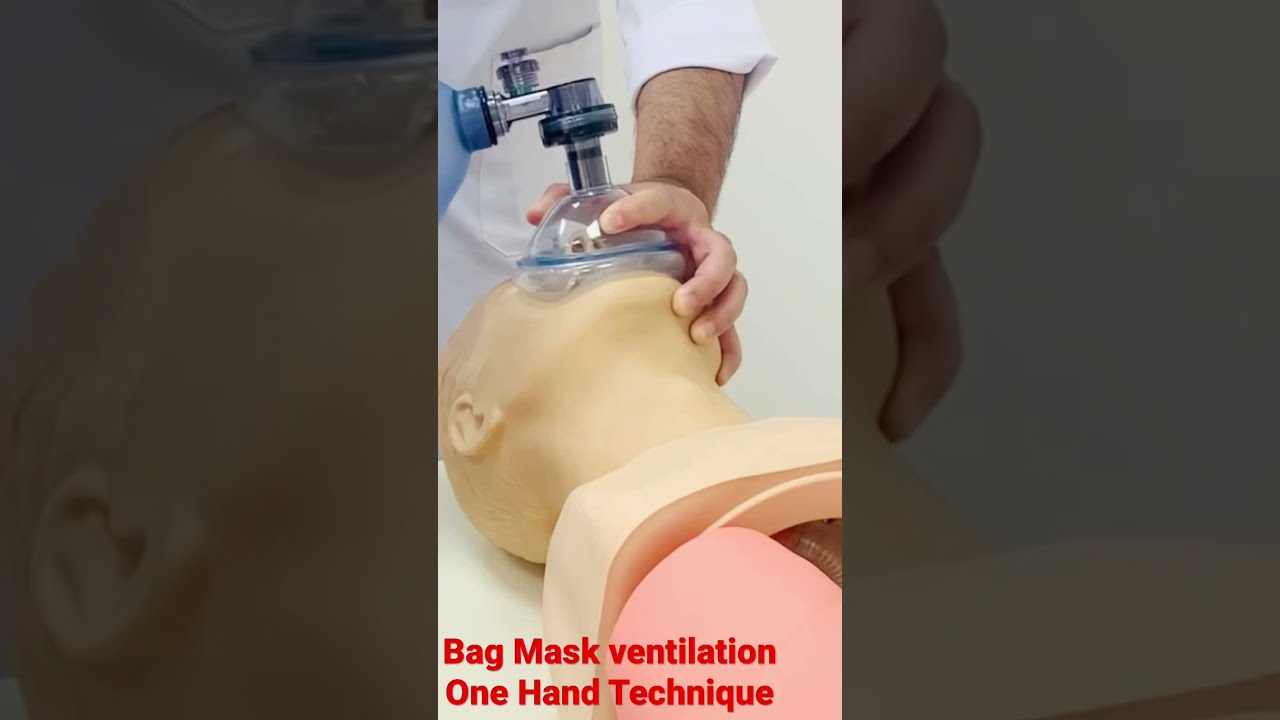
Recognizing potential air passage obstructions. Employing various adjuncts like oropharyngeal airways. Techniques for bag-valve-mask (BVM) ventilation.NIDS Ventilation Training course: A Comprehensive Approach
What Is NDIS?
The National Special needs Insurance policy Scheme (NDIS) provides support to people with impairments in Australia, consisting of those calling for specialized ventilation care.
NDIS Ventilation Training Course Overview
For healthcare providers working within the NDIS framework, specific training courses address:
The validities bordering impairment services. Individualized treatment plans integrating ventilator management. Effective communication techniques with customers and families.Exploring Various Kinds of Air Flow Courses Available Today: Target Audiences
Understanding that must enroll in these training courses helps customize educational experiences appropriately.
For New Medical care Graduates
Courses made for new grads emphasize fundamental understanding concerning mechanical ventilation's scientific principles.
For Knowledgeable Clinicians Looking for Specialization
Experienced clinicians may opt for advanced courses focusing on nuanced topics such as:
Non-invasive ventilation techniques. Management protocols for complex cases.
How Are These Programs Delivered?
With technological developments, many programs are now provided online or via combined understanding layouts that incorporate both in-person direction and electronic resources.
Online Knowing Platforms
Many institutions use online systems to assist in flexibility in learning routines while offering extensive resources like video tutorials and simulation exercises.
In-Person Workshops
These workshops allow individuals hands-on experience with ventilatory equipment under the assistance of specialist trainers, promoting a sensible understanding that theory alone can not provide.
Course Accreditation and Accreditation Levels
Accreditation ensures that a training course fulfills specific instructional standards essential for effective knowing outcomes.
Recognized Certifications
Participants typically receive qualifications upon completing these courses, which can considerably improve their expert credentials.
Exploring Different Types of Ventilation Courses Available Today: Frequently Asked Questions Section
li27/ol5/li28li28/ol6li29# The length of time do these training programs typically last?- Depending on the program's deepness, they can range from a few hours to several weeks, particularly sophisticated ones that incorporate comprehensive professional practice.
- Absolutely! Several institutions provide totally on-line alternatives or hybrid designs combining on-line education with hands-on workshops.
- Some organizations offer scholarships or financial assistance; it's best to inspect straight with your chosen institution pertaining to financing choices readily available for students.
Conclusion
In summary, comprehending how to navigate the myriad options when discovering different kinds of ventilation training courses available today is necessary for health care professionals seeking job improvement airway management and ventilation or specialization within breathing monitoring areas. From basic ventilator training courses catering to newcomers to advanced training targeting seasoned specialists taking care of complex professional situations-- there's something matched for every person's needs!
Investing time into proper education not only enhances personal skill sets however inevitably contributes favorably in the direction of improving patient results throughout different health care setups-- solidifying the value of trained professionals dedicated to excellence in respiratory tract monitoring and ventilation techniques!

By gaining proficiency with structured educational programs like those talked about throughout this write-up-- from fundamental principles completely via intricate applications-- healthcare providers can with confidence approach any kind of scientific circumstance entailing mechanical support systems while ensuring high quality care requirements stay high whatsoever times!